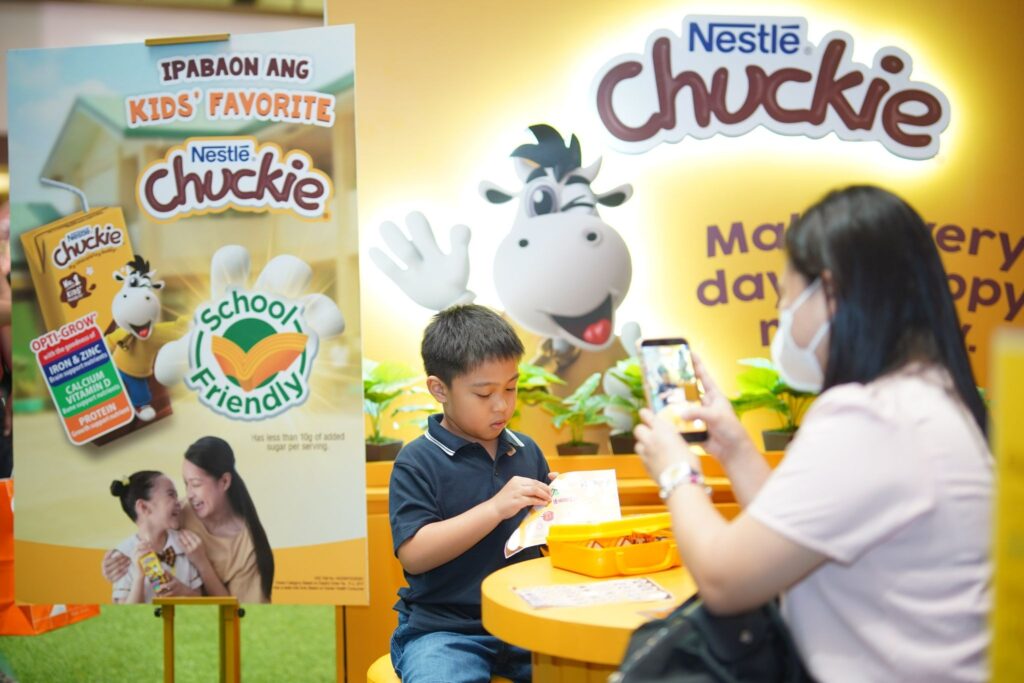
Every parent wants the same thing.
But have you ever wished you could always be there for your child?
It’s a natural wish, especially for moms. If we could, we’d protect our children from every disappointment, solve every problem, and be there whenever they needed us.
But childhood doesn’t last forever.
Why Can’t Parents Always Protect Their Children?
Eventually, children will face challenges on their own. They’ll experience failure, conflict, uncertainty, and disappointment. And while parents can’t always be there to guide them through every situation, there are ways to help prepare them long before those moments arrive.
That’s why the question becomes not just how we protect them today, but how we prepare them for tomorrow.
And one of the simplest ways to do that is through play.
During a recent Mommy Mundo parenting talk, Gabby Limjoco, owner of Playworks Early Childhood Centers Inc. reminded parents that connection is built in simple moments.
Mama, let’s play.
For busy parents, that invitation can sometimes feel impossible to accommodate. There are meals to prepare, work to finish, errands to run, and responsibilities waiting.
However, those small moments may matter more than they appear.
Research from the Harvard Center on the Developing Child shows that young children develop through relationships, and that these relationships shape emotional well-being, social skills, and learning. Moments of connection with caring adults help build the foundation children rely on as they grow.
As Gabby Limjoco shared during the talk:

L-R: Gabby Limjoco, Feliz Lucas, and Mocs Javier. Photo from Mommy Mundo.
“Play is powerful, because it tells your child, “I enjoy being with you.” And that feeling of being enjoyed matters to your child’s growth and development.”
At its core, play sends a simple but powerful message: “You are worth my time.” For children, that message helps shape how they see themselves and their place in the world.
What Children Learn through Play
What makes play so valuable is that it creates opportunities for connection. Through interactions with trusted adults during play, children learn:
- Whether they are safe — Play in a secure environment teaches children that the world is a place they can explore without fear.
- Whether they are valued — A parent who plays with their child communicates: “You are worth my time.”
- Whether they are listened to — Following a child’s lead in play validates their ideas and builds self-expression.
- Whether they are supported — Navigating a game together teaches children that help is available when they need it.
Children learn about themselves and the people around them through interactions with trusted adults. They learn whether they are safe, valued, listened to, and supported. That is why play often has less to do with toys and activities than many parents assume.
Children are not asking us to entertain them perfectly. They’re not asking us to buy the best toys or plan the most memorable outing.
What they are often seeking is something much simpler: presence.
Whether it’s building blocks on the floor or joining whatever game your child invents that afternoon, the activity itself is secondary to the connection being built.
And that connection can have lasting value.
What is a “Reservoir of Joy” and how does Play build it?
Another idea shared during the Mommy Mundo talk was the concept of a “reservoir of joy.”
When you play together, you deposit happy memories into the bank of your child.
The image resonates because childhood is filled with moments that shape how children see themselves and the world around them. Every shared laugh and moment of attention adds to that reservoir.
Later, when life becomes difficult, those positive experiences can become part of the emotional foundation children draw from.
The good news is that creating those moments does not require grand plans Some of the strongest parent-child connections happen during everyday routines:
- A few minutes of play after school – Even 10-15 minutes of focused, child-led play can be meaningful.
- A conversation over merienda – Asking about your child’s day while sharing a snack creates connection through dialogue.
- Sitting beside each other while drawing or coloring – Parallel play communicates presence without requiring performance.
- Storytelling during rainy afternoons – Shared imagination builds both creativity and closeness.
These moments may feel ordinary to adults, but they often become the experiences children remember most.
And because childhood memories are tied to sights, sounds, smells, and tastes, simple rituals can make them even more meaningful. A favorite snack after outdoor play. A familiar drink shared during family bonding time.
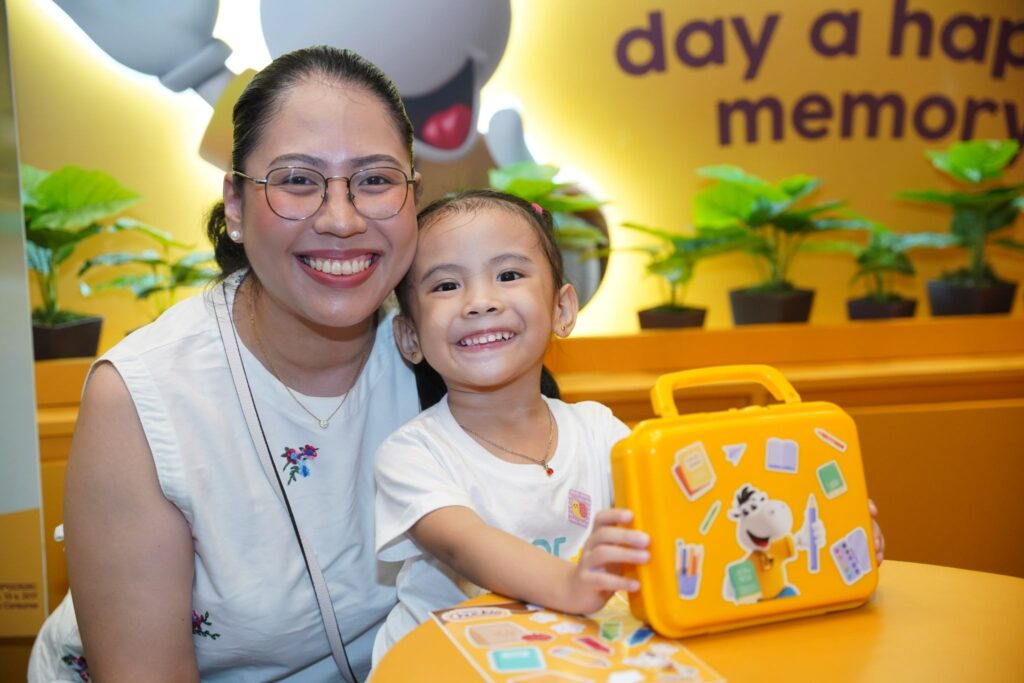
A drink a child truly enjoys, like CHUCKIE® after a long afternoon of play, can make an already happy moment feel even more memorable. It becomes part of the positive feeling they associate with being present, active, and with family.
What Do Children Really Carry Forward from Childhood Play?
What children carry forward from these moments is not just the activity itself, but the feeling of being fully present with someone they love.
Over time, these simple experiences add up, shaping how they see connection, joy, and security as they grow.
They carry forward:
- The sense of being seen – “My parent noticed me and chose to spend time with me.”
- The sense of being valued – “I am worth someone’s time and attention.”
- The sense of being loved – “I am safe, and I belong.”
These are the foundations of resilience. When children grow up feeling seen, valued, and loved, they are better able to face setbacks, build healthy relationships, and move through life with confidence.
Piliin ang mga sandaling makasama sila, kasi minsan lang sila bata.
Mommies, want to start simple? Download FREE Coloring Pages from Chuckie to kick off your play activities with your buddy.

Leave a Reply